Winter has a way of making your skin feel completely different overnight. Funny how that happens, right? Suddenly you find yourself desperate to find the best winter skincare routine for dry skin so that you can get rid of the dry, tight feeling immediately. I always feel like it is the worst time for my skin to act up because it’s when I am seeing friends and family around the holidays.
One week, your usual moisturizer feels fine. The next, your cheeks feel tight after cleansing, makeup clings to dry patches, and your skin suddenly looks dull no matter how much water you drink.
If that sounds familiar, you are not doing anything wrong. Cold outdoor air, wind, and indoor heat can all pull moisture from your skin. The routine that worked well in warmer months may need a few simple changes.
The good news is you do not need a complicated 10-step routine to care for dry skin in winter. A gentle cleanser, more hydration, a richer moisturizer, and less exfoliation can make a meaningful difference in your winter skincare routine.
This winter skincare routine for dry skin is designed to help you care for your skin without overthinking every product on your bathroom counter.
Quick note: This post may contain affiliate links. When you purchase through one of my links, I may earn a small commission at no added cost to you. I only share products and brands I genuinely feel good about recommending and have used myself.
Why does cold weather make your skin dry?
Cold weather can make dry skin feel worse for a few reasons.
Outdoor air tends to hold less humidity in winter. Then we come inside and turn on the heat, which can make the air even drier. Your skin loses moisture more easily in these conditions.
Wind does not help either. It can leave skin feeling tight, rough, and more sensitive than usual.
If you are over 30, you may also notice that your skin needs more support than it used to. Skin can become drier with age, and the products you loved a few years ago may no longer give you the same results.
This does not mean you need to toss everything you own. It simply means winter is a good time to focus on protecting your skin barrier and holding onto moisture.
The best winter skincare routine for dry skin
A good dry skin care routine in winter focuses on two things:
Avoid stripping your skin.
Add and seal in moisture.
Here is the simple order I recommend for your winter skincare routine:
Step 1: Cleanse gently
In winter, a harsh cleanser can make dry skin feel even worse.
If your face feels tight, squeaky, or uncomfortable right after washing it, your cleanser may be doing too much. That tight feeling is not a sign that your skin is extra clean. It can be a sign that your skin is missing the moisture it needs.
Look for a gentle cream cleanser, cleansing balm, or cleansing oil that removes makeup and sunscreen without leaving your skin feeling stripped.
One of my favorite cleansers is the Golden Milk Cleanser from Sahajan. This cleanser is amazing really any time of year but especially during winter because it is so gentle and nourishing. I can use this cleanser daily during dry months and my skin always feels so soft and smooth.
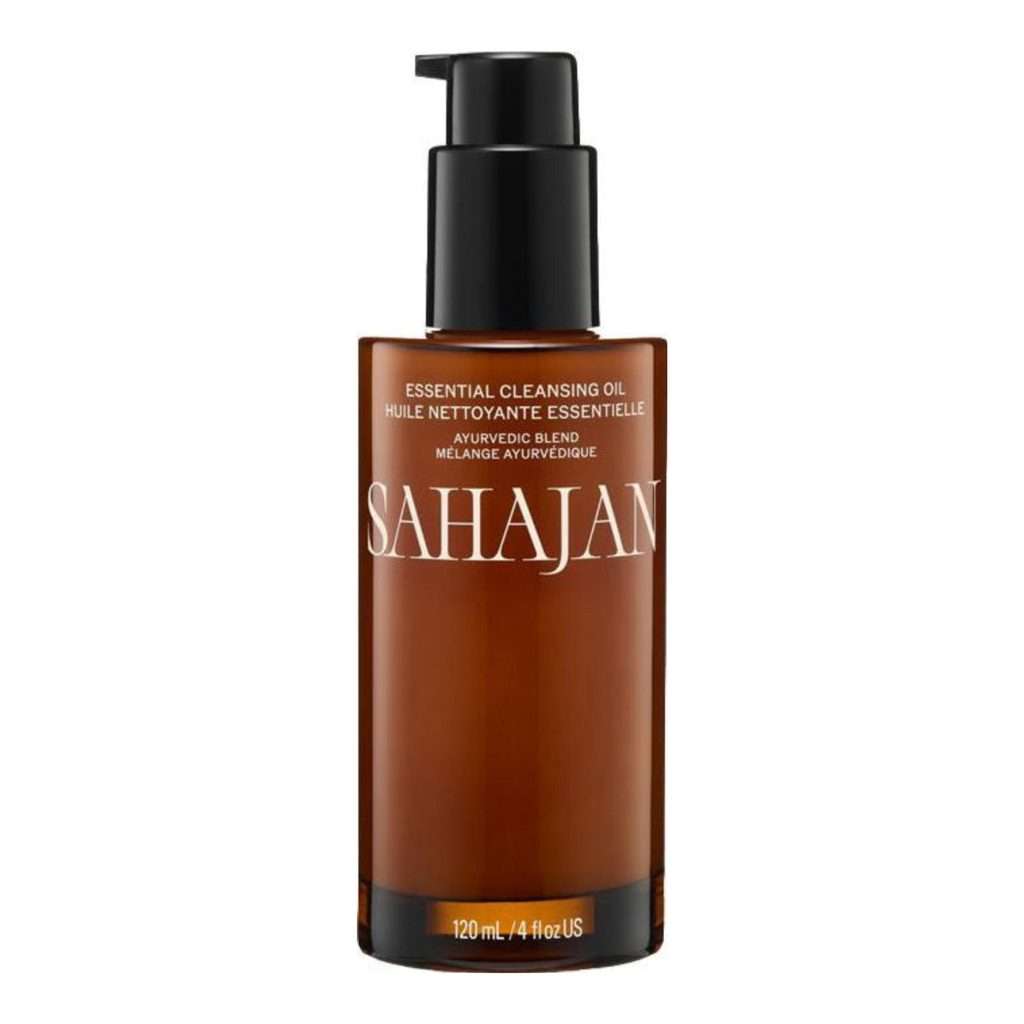
Sahajan’s Essential Cleansing Oil is so good as well for melting away your makeup, sunscreen, etc. after a long day. You can also double cleanse with this oil first and then use the milk cleanser. It is a truly powerful duo.
Countertime Lipid Defense Cleansing Oil is also an amazing cleanser to potentially add to your winter skincare routine. It transforms from an oil to milk texture, feels luxurious, and supports your skin barrier.
I find myself rotating between these three cleansers all the time. Sometimes I like to change it up.
Remember you do not need to scrub your face or use very hot water although it can be tempting during those cold winter months. Lukewarm water is much kinder to dry, sensitive skin.
If you wake up with dry or reactive skin, you may even prefer to rinse with water in the morning and save cleanser for the evening. This will not work for everyone, but it can be a helpful adjustment for very dry skin.
What to look for in a winter cleanser:
A creamy, milky, balm, or oil-based texture
Ingredients that leave your skin feeling comfortable
A formula without harsh scrubs or strong fragrance
A cleanser that removes makeup without a second round of aggressive washing
Step 2: Apply hydration while your skin is still slightly damp
One of the easiest things you can do for dry skin in winter is apply your hydrating products before your face is completely dry. Hydration, hydration, hydration is the name of the game when battling dry, winter air.
After cleansing, gently pat your face with a towel. Do not rub it. Then apply a hydrating serum, essence, or lightweight treatment while your skin still feels slightly damp.
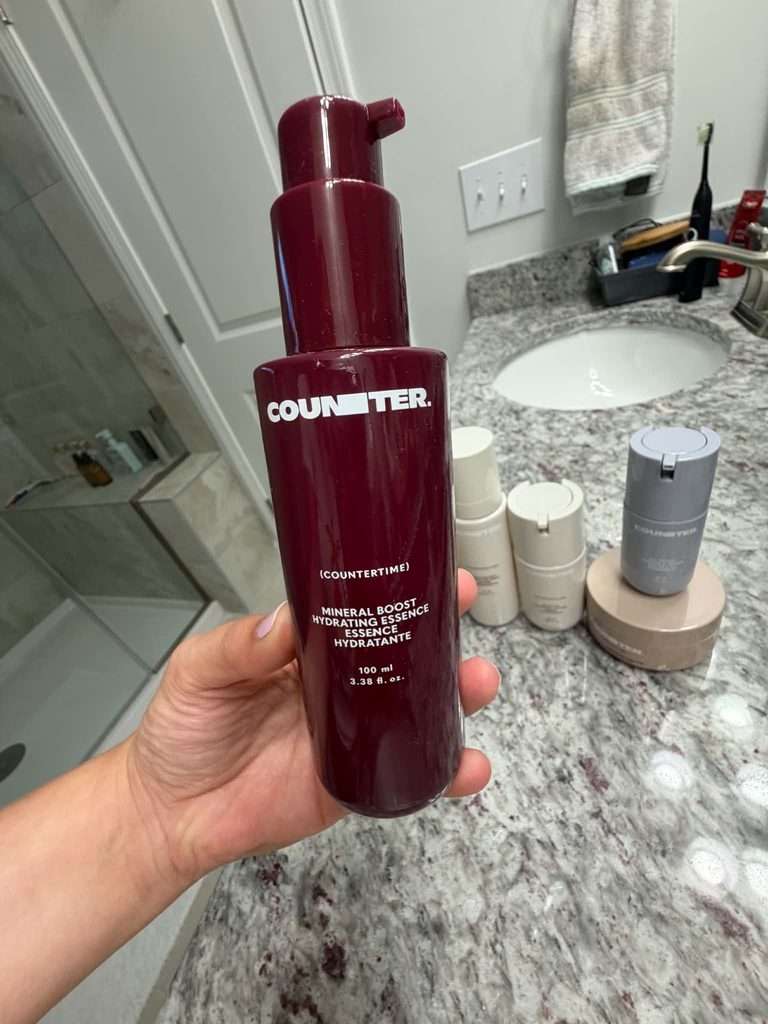
My favorite hydrating essence is the Countertime Mineral Boost Hydrating Essence. It is lightweight, refreshing, and clinically proven to protect and strengthen your skin barrier. It is a great boost of immediate hydration and so many women call it a “drink of water” for your face.
A hydrating serum is also a really good idea when your skin is feeling dry. In the winter, our skin tends to really crave all of the moisture and hydration it can get. It is thirsty, baby!
Counterglow Triluronic Hydrating Serum is my go to as I find my skin just drinks it up and loves the glow. It is made with three forms of hyaluronic acid to deliver hydration at multiple levels and support moisture retention for skin that looks visibly plumper, smoother, and more supple. Yes, please!
Look for ingredients such as to add to your winter skincare routine:
Squalene
Hyaluronic acid
Aloe
Beta-glucan
Ceramides
You do not need every ingredient on this list. A simple hydrating serum that your skin tolerates well is enough.
Think of this step as adding water back into your skin. Your moisturizer in the next step helps hold that hydration in place.
Step 3: Switch to a richer moisturizer
Winter is often the season when a lightweight gel moisturizer stops being enough.
If your skin feels dry by lunchtime or you wake up with flaky patches, try moving to a creamier moisturizer. A good winter moisturizer should leave your skin feeling comfortable and protected, not greasy or heavy.
Look for moisturizers with ingredients that support the skin barrier, such as ceramides, squalane, fatty acids, glycerin, and plant oils that work well for your skin.
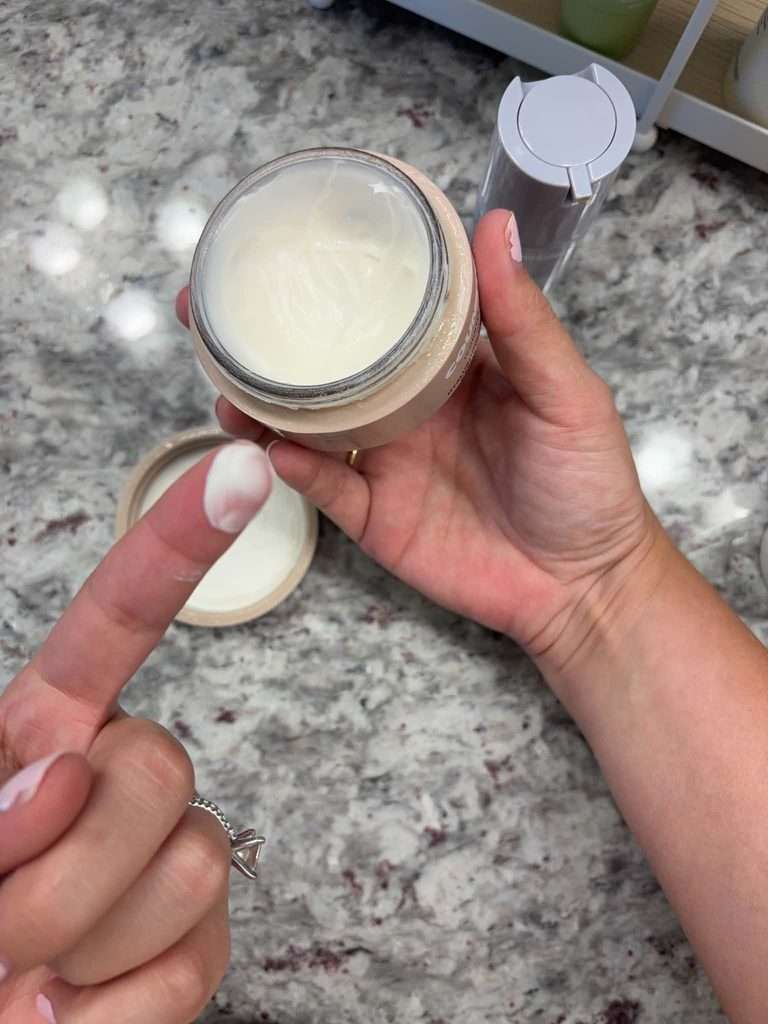
The Counterglow Hyaluronic Cushion Cream is truly a game changer! I actually started using this cream in the summer when my skin was feeling particularly dry and fussy. I suspected my skin barrier might be damaged and decided to try this cream. It truly saved my skin. This stuff is the real deal. It nourishes, replenishes moisture, and supports your skin barrier. I cannot say enough good about it. Your skin will LOVE it!
Also, if you have combination skin, you may not need a thick cream everywhere. You can apply a richer moisturizer to your cheeks, around your mouth, and any other areas that tend to feel dry. Then use a lighter layer on your forehead or nose if that feels better.
The best moisturizer is the one you will actually use consistently and that leaves your skin feeling calm.
Facial oil can be a lovely extra step during cold weather, especially if your skin feels rough, flaky, or tight.
But it is not a replacement for moisturizer.
Oil helps soften skin and reduce moisture loss, but it does not add hydration on its own. For best results, apply your hydrating serum first, then moisturizer, and then press a few drops of facial oil over the top if you need it.
You do not need much. Two or three drops is often plenty.
If you are prone to breakouts, choose an oil carefully and introduce it slowly. Your skin should feel nourished, not congested.
Counter’s Brightening Facial Oil is a great option if you wanted to add an oil to your winter skincare routine for dry skin. It is lightweight and absorbs quickly.
Step 5: Keep wearing sunscreen
Yes, sunscreen is still part of a winter skincare routine.
Even when it is cloudy, your skin is exposed to UV rays. Snow can also reflect sunlight, which adds to your exposure when you are outside.
Choose a sunscreen that feels moisturizing enough for winter. If your current SPF leaves your skin dry or pill-y under makeup, this may be a good time to try a more hydrating formula.
Apply it as the last step in your morning skincare routine.
Last but certainly not least, don’t forget your lips
I don’t know about you but my lips are the first thing to let me know it is winter and it drives me crazy when my lips get dry and chapped.
Rinse with lukewarm water or use a gentle cleanser.
Apply a hydrating serum to slightly damp skin.
Use a nourishing moisturizer.
Apply sunscreen.
That is it.
You do not need to add more steps just because it is winter. Consistency matters more than having a crowded shelf of products.
A simple nighttime routine for dry winter skin
At night, your goal is to gently remove the day and give your skin time to recover.
Use a gentle cleansing balm, cleansing oil, or cream cleanser.
Apply a hydrating serum or calming treatment.
Use a richer moisturizer.
Add a few drops of facial oil if your skin needs it.
If your skin feels especially dry, you can apply a slightly thicker layer of moisturizer before bed. This is sometimes called “slugging” when people use an occlusive product over their routine, but you do not have to go that far to see results. A generous layer of a moisturizer you already love can be enough.
Want me to just tell you what to use? Take my 60-second quiz and I’ll build you a personalized clean routine for your skin, dry-winter and all, and send it right to your inbox along with your clean beauty type! Easy, peasy.
This is one of the biggest winter skincare changes I make.
Exfoliation can help remove dry, flaky skin, but too much can leave your face feeling more irritated and dry especially if your skin leans on the sensitive side. It is easy to overdo it when you are trying to fix rough patches quickly.
If your skin feels stinging, red, tight, or extra sensitive, take a break from exfoliating for a few days. Focus on gentle cleansing, hydration, and moisturizer instead.
For many people with dry skin, exfoliating once a week is more than enough in winter. Some people may need it less often.
Also, pay attention to how many exfoliating products are already in your routine. You may be using exfoliating acids in a toner, serum, treatment, or mask without realizing how quickly they add up.
Dry, flaky skin does not always need more exfoliation. Sometimes it needs more moisture and less irritation.
Winter skincare mistakes that can make dry skin worse
A few small habits can make a big difference when your skin is dry from cold weather.
Washing your face with hot water
A hot shower can feel amazing on a cold day, but very hot water can leave your skin feeling more dry and irritated. Keep your showers warm, not scorching, and use lukewarm water on your face.
Using a cleanser that leaves your skin tight
If your cleanser makes your face feel squeaky clean, it may be too harsh for winter. Try a gentler option before adding more and more moisturizer on top.
Adding too many new products at once
When your skin is unhappy, it is tempting to buy five new products and start them all at once. This makes it hard to know what is helping and what is causing irritation.
Make one change at a time. Give your skin at least a week or two to adjust unless you have an obvious reaction.
Over-exfoliating dry patches
Scrubbing dry skin can make it feel temporarily smoother, but it can also damage an already stressed skin barrier. Be gentle and focus on hydration first.
Skipping moisturizer because you have oily or combination skin
Even oily skin can become dehydrated in winter. You may not need the heaviest cream available, but your skin still needs hydration and moisture.
Forgetting your neck, lips, and hands
Your face is not the only place that feels the effects of winter.
Apply moisturizer down your neck and chest. Keep hand cream near the sink, in your bag, or on your nightstand. Use a simple lip balm throughout the day, especially before going outside.
What if your skin burns or stings in winter?
A little dryness is one thing. Burning, stinging, cracking, or sudden sensitivity can be a sign that your skin barrier needs a break.
For a few days, simplify your routine:
Pause exfoliating acids and scrubs.
Avoid strong active treatments until your skin feels calm.
Use a gentle cleanser.
Apply a simple hydrating serum if it does not sting.
Use a fragrance-free, barrier-supporting moisturizer.
Wear sunscreen during the day.
If your skin is persistently painful, cracked, bleeding, intensely itchy, or you think you may have eczema or another skin condition, it is best to check in with a dermatologist.
The best winter skincare routine for dry skin is not complicated.
Use a gentle cleanser. Add hydration to damp skin. Choose a richer moisturizer. Exfoliate less often. Wear sunscreen. Give your skin time to adjust.
Your winter skin does not need perfection. It needs a little extra care and a routine you can stick with, even on busy mornings and tired evenings.
If your current routine suddenly feels like it stopped working, start by changing your cleanser or moisturizer before adding a dozen new products. Those two small changes can make a bigger difference than you might expect.
Frequently asked questions about dry winter skin
Why is my skin so dry in winter?
Cold outdoor air, wind, and dry indoor heat can all reduce moisture in your skin. Your usual products may not provide enough hydration and protection during winter, especially if you already have dry or sensitive skin.
Should I use a heavier moisturizer in winter?
If your skin feels tight, flaky, or dry by the middle of the day, a richer cream moisturizer may help. You can also use your usual moisturizer and add a facial oil over it at night if your skin tolerates oil well.
How often should I exfoliate dry skin in winter?
For many people, once a week is enough. If your skin feels irritated, stings, or has visible dry patches, take a break from exfoliation and focus on gentle, hydrating products.
Do I need sunscreen in winter?
Yes. UV exposure still happens in winter, even on cloudy days. A moisturizing sunscreen can help protect your skin without making dry patches look worse.
I started Sarah Anne Inspired to help you find reliable clean beauty resources and inspiration to show up as the best version of yourself.
I am on a mission to help busy, savvy women over 30 strapped for time look and feel their best so they can show up confidently in their purpose and POWER everyday!